Introduction
The mechanical industry heavily relies on sheet-metal parts due to their numerous advantageous properties. Among these, recyclability stands out as a critical factor contributing to their importance. This article delves into how the recyclability of sheet-metal parts impacts their significance in the industry, promoting sustainability, cost-efficiency, and environmental responsibility.
Understanding Recyclability in Sheet-Metal Parts
Recyclability refers to the ability of a material to be reprocessed and reused in the production of new products. For sheet-metal parts, this characteristic is especially vital. Metals such as steel, aluminum, and copper can be recycled repeatedly without losing their inherent properties. This attribute makes sheet metal an environmentally friendly choice and supports the principles of a circular economy.
Benefits of Recyclability in Sheet-Metal Parts
- Environmental Sustainability: The recyclability of sheet metal contributes significantly to reducing the environmental footprint of manufacturing processes.
- Reduction in Raw Material Usage: Recycling metals reduces the need for extracting and processing raw materials, which often involves environmentally damaging practices such as mining.
- Energy Savings: Producing metal from recycled materials typically requires less energy compared to processing virgin ore. For instance, recycling aluminum saves up to 95% of the energy needed to produce new aluminum from bauxite ore.
- Lower Emissions: Recycling metals results in lower greenhouse gas emissions compared to primary metal production, helping to mitigate climate change.
- Economic Advantages: The recyclability of sheet-metal parts offers considerable economic benefits.
- Cost Efficiency: Using recycled metals can be more cost-effective than using virgin materials. This cost saving is passed on to manufacturers and, ultimately, consumers.
- Market Value of Scrap Metal: Scrap metal from manufacturing processes or end-of-life products can be sold, creating an additional revenue stream. This market for scrap metal ensures that waste materials have economic value.
- Resource Conservation: The recyclability of sheet-metal parts helps in conserving finite natural resources.
- Sustainable Material Management: By recycling metals, industries can manage material resources more sustainably, ensuring that future generations have access to essential raw materials.
- Reduction of Landfill Waste: Recycling reduces the volume of waste sent to landfills, minimizing environmental pollution and the need for additional landfill sites.
- Regulatory Compliance and Corporate Responsibility: Emphasizing recyclability aligns with regulatory requirements and corporate sustainability goals.
- Compliance with Environmental Regulations: Many regions have stringent regulations regarding waste management and recycling. Using recyclable materials helps companies comply with these regulations.
- Corporate Social Responsibility (CSR): Companies that prioritize the use of recyclable materials in their products demonstrate a commitment to sustainability, enhancing their corporate image and meeting CSR objectives.
Applications Demonstrating Recyclability
- Automotive Industry: The automotive industry is a major consumer of recycled sheet metal. Car bodies, engine components, and structural elements often contain significant amounts of recycled steel and aluminum. This practice reduces production costs and minimizes environmental impact.
- Construction Industry: In construction, sheet metal is used for roofing, siding, and structural components. The recyclability of these materials ensures that buildings can be deconstructed and materials reused, promoting sustainable building practices.
- Electronics Industry: Electronic devices often contain sheet-metal components made from recycled metals. Recycling these metals from obsolete electronics helps to reduce e-waste and recover valuable materials.
- Aerospace Industry: The aerospace sector benefits from the high strength-to-weight ratio of aluminum and titanium, both of which are highly recyclable. Recycling these materials is essential for cost-effective and sustainable aerospace manufacturing.
- Packaging Industry: Sheet metal is widely used in packaging, particularly for food and beverages. Aluminum cans, for example, are one of the most recycled products globally. The recyclability of these containers reduces waste and conserves resources.
Conclusion
The recyclability of sheet-metal parts is a crucial factor contributing to their importance in the mechanical industry. By supporting environmental sustainability, offering economic advantages, conserving resources, and ensuring regulatory compliance, the recyclability of sheet metal underscores its role in modern manufacturing. As industries increasingly prioritize sustainable practices, the emphasis on recyclable materials like sheet metal will continue to grow, reinforcing their significance in the mechanical industry and beyond.
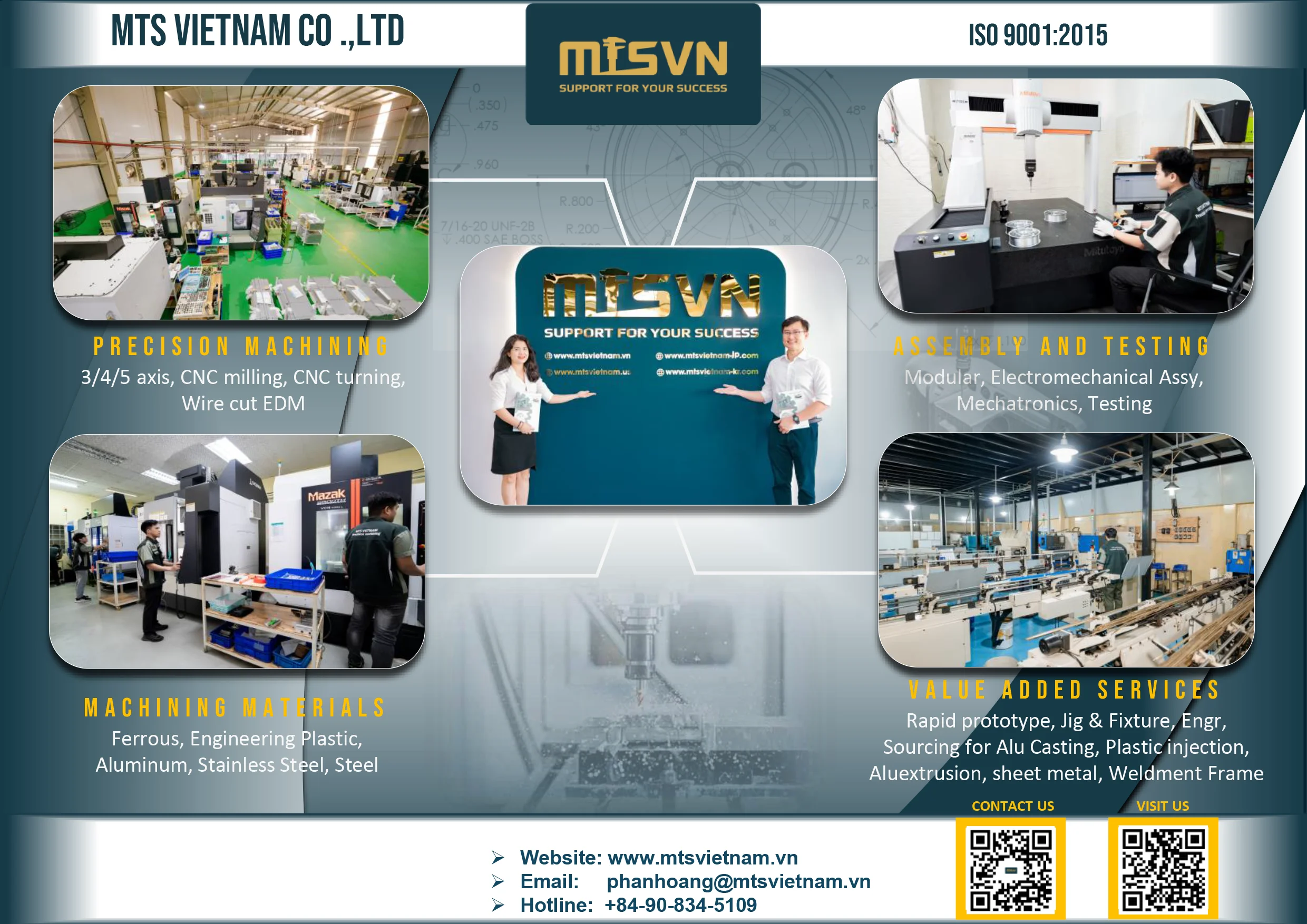
MTS Vietnam is a prominent company specializing in precision mechanical components fabrication. Established in 2017, it has quickly become a reputable name in the Vietnamese and Southeast Asian markets. The company's expertise lies in CNC milling and turning parts made from a variety of materials, including Aluminum, Steel, Stainless, POM, and other engineering plastics. MTS Vietnam is dedicated to supporting the success of its customers and strives to be a leading company in the field of precision mechanical processing both in Vietnam and internationally.
In addition to its fabrication services, MTS Vietnam offers assembly services for components and machines, as well as CNC program services. This comprehensive range of services is aimed at providing optimal solutions and benefits to its customers through the company's ecosystem and strengths. MTS Vietnam emphasizes the importance of investing in new technology and quality control equipment to ensure that it can deliver merchandise at competitive prices and within the required deadlines.
WORKSHOP: 248/10 ĐT743A Street, Binh Thung 1 Quarter, Dong Hoa Ward, Ho Chi Minh City, Vietnam
Tel/zalo/viber: 0908.345.109
Email: phanhoang@mtsvietnam.vn | info@mtsvietnam.vn
Website: www.mtsvietnam.vn (Global Market) | www.mtsvietnam-jp.com (日本)
For USA Sales, please contact MTS USA at:
Tel/zalo/viber: 978-777-1716
Email: sales@mts-usasales.com
Website: www.mtsvietnam.us (US Market)