Introduction
Passivation is a crucial surface treatment technique primarily used for stainless steel and other corrosion-resistant alloys. This chemical process enhances the corrosion resistance of metals by removing free iron and forming a protective oxide layer on the surface. This article explores the passivation process, its benefits, applications, and its critical role in various industries.
Understanding the Passivation Process
Passivation is a chemical treatment process that improves the natural corrosion resistance of stainless steel and other metals. The process involves cleaning the metal surface and then treating it with a nitric acid or citric acid solution to remove contaminants and form a passive oxide layer. The key steps in the passivation process include:
- Cleaning
- Objective: Remove organic and inorganic contaminants, such as oils, greases, and oxides, from the metal surface.
- Methods: Parts are cleaned using alkaline or acid-based cleaners, often followed by rinsing with water to ensure a clean surface.
- Acid Treatment:
- Objective: Remove free iron and other surface contaminants that can lead to corrosion.
- Methods: The cleaned metal is immersed in a nitric acid or citric acid solution. This step dissolves surface contaminants and promotes the formation of a passive oxide layer.
- Rinsing:
- Objective: Remove residual acid and dissolved contaminants from the metal surface.
- Methods: Parts are thoroughly rinsed with deionized water to ensure that no acid residues remain, which could cause corrosion.
- Drying:
- Objective: Ensure that the metal surface is dry and free of moisture, which could interfere with the passivation layer.
- Methods: Parts are dried using air blowers, ovens, or other drying techniques to remove all moisture.
Benefits of Passivation
- Enhanced Corrosion Resistance:
Passivation significantly improves the corrosion resistance of stainless steel by forming a protective oxide layer that prevents rust and oxidation. - Extended Service Life:
The improved corrosion resistance leads to longer-lasting metal components, reducing the need for frequent replacements and maintenance. - Clean Surface:
The cleaning process removes contaminants and impurities, resulting in a clean, smooth surface that is less likely to harbor bacteria and other harmful agents. - Improved Performance:
Passivated surfaces perform better in harsh environments, maintaining their structural integrity and appearance over time. - Compliance with Standards:
Many industries have strict standards for corrosion resistance, and passivation helps metal components meet these regulatory requirements.
Applications of Passivation
- Medical Devices:
- Applications: Surgical instruments, implants, and medical equipment housings.
- Benefits: Ensures biocompatibility, cleanliness, and enhanced corrosion resistance, which are critical for patient safety and device longevity.
- Aerospace Industry:
- Applications: Aircraft components, fasteners, and structural parts.
- Benefits: Provides superior corrosion resistance, ensuring the reliability and safety of critical aerospace components.
- Food and Beverage Industry:
- Applications: Processing equipment, storage tanks, and piping systems.
- Benefits: Maintains cleanliness and prevents contamination, ensuring compliance with health and safety regulations.
- Chemical Processing:
- Applications: Reactors, heat exchangers, and piping systems.
- Benefits: Enhances resistance to aggressive chemicals and corrosive environments, improving equipment durability and performance.
- Electronics:
- Applications: Connectors, enclosures, and circuit board components.
- Benefits: Prevents corrosion and ensures reliable electrical performance, critical for the longevity and functionality of electronic devices.
- Pharmaceutical Industry:
- Applications: Production equipment, storage vessels, and piping.
- Benefits: Ensures that surfaces are free of contaminants and corrosion-resistant, which is vital for maintaining product purity and safety.
Conclusion
Passivation is a key surface treatment technique that enhances the corrosion resistance of stainless steel and other metals. By removing surface contaminants and forming a protective oxide layer, passivation significantly improves the durability, cleanliness, and performance of metal components. Its application across various industries, from medical devices and aerospace to food processing and electronics, underscores its importance in ensuring the reliability and longevity of critical parts. As technology advances, the passivation process will continue to evolve, further enhancing its effectiveness and expanding its applications in the manufacturing landscape.
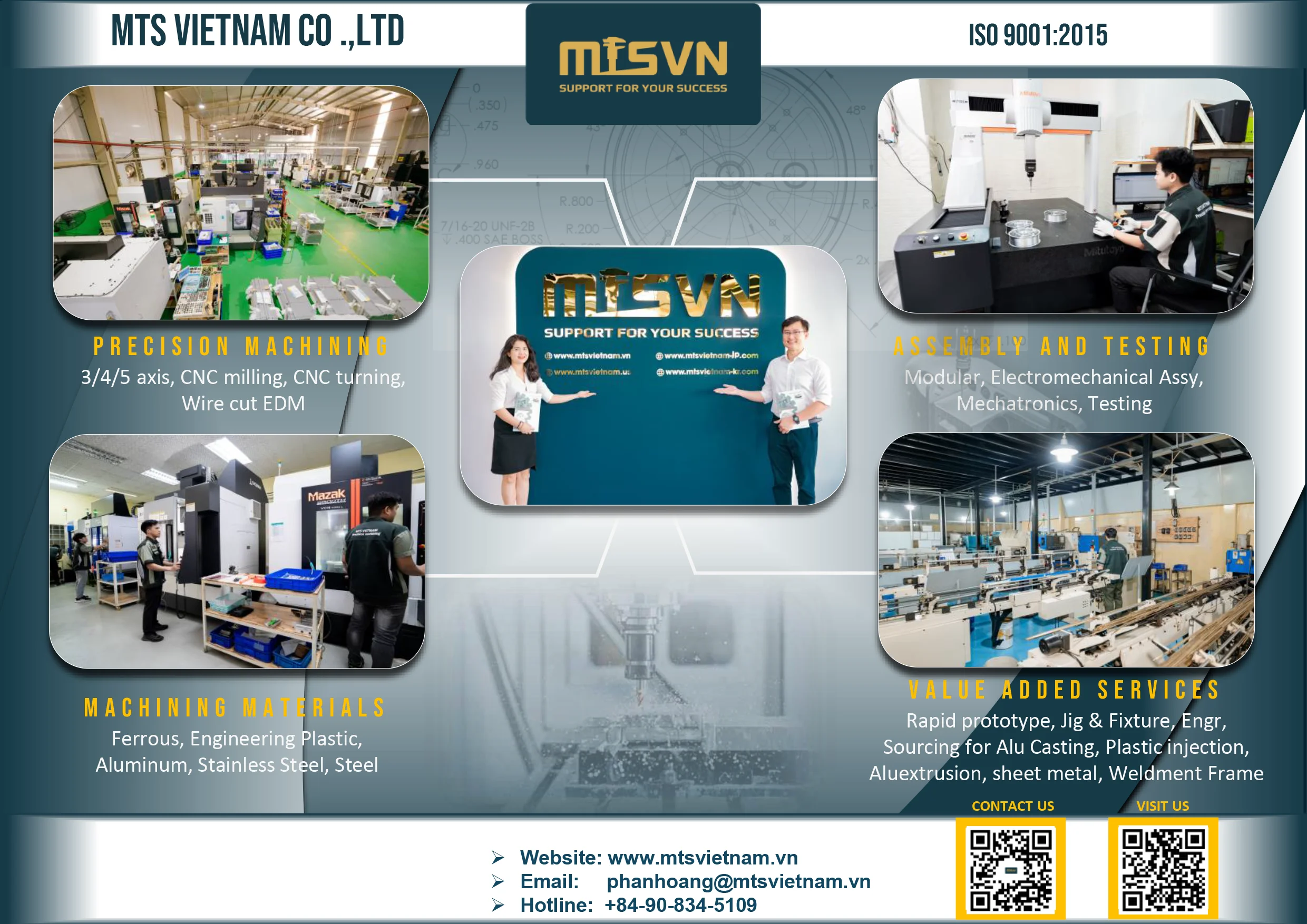
MTS Vietnam is a prominent company specializing in precision mechanical components fabrication. Established in 2017, it has quickly become a reputable name in the Vietnamese and Southeast Asian markets. The company's expertise lies in CNC milling and turning parts made from a variety of materials, including Aluminum, Steel, Stainless, POM, and other engineering plastics. MTS Vietnam is dedicated to supporting the success of its customers and strives to be a leading company in the field of precision mechanical processing both in Vietnam and internationally.
In addition to its fabrication services, MTS Vietnam offers assembly services for components and machines, as well as CNC program services. This comprehensive range of services is aimed at providing optimal solutions and benefits to its customers through the company's ecosystem and strengths. MTS Vietnam emphasizes the importance of investing in new technology and quality control equipment to ensure that it can deliver merchandise at competitive prices and within the required deadlines.
WORKSHOP: 248/10 ĐT743A Street, Binh Thung 1 Quarter, Dong Hoa Ward, Ho Chi Minh City, Vietnam
Tel/zalo/viber: 0908.345.109
Email: phanhoang@mtsvietnam.vn | info@mtsvietnam.vn
Website: www.mtsvietnam.vn (Global Market) | www.mtsvietnam-jp.com (日本)
For USA Sales, please contact MTS USA at:
Tel/zalo/viber: 978-777-1716
Email: sales@mts-usasales.com
Website: www.mtsvietnam.us (US Market)