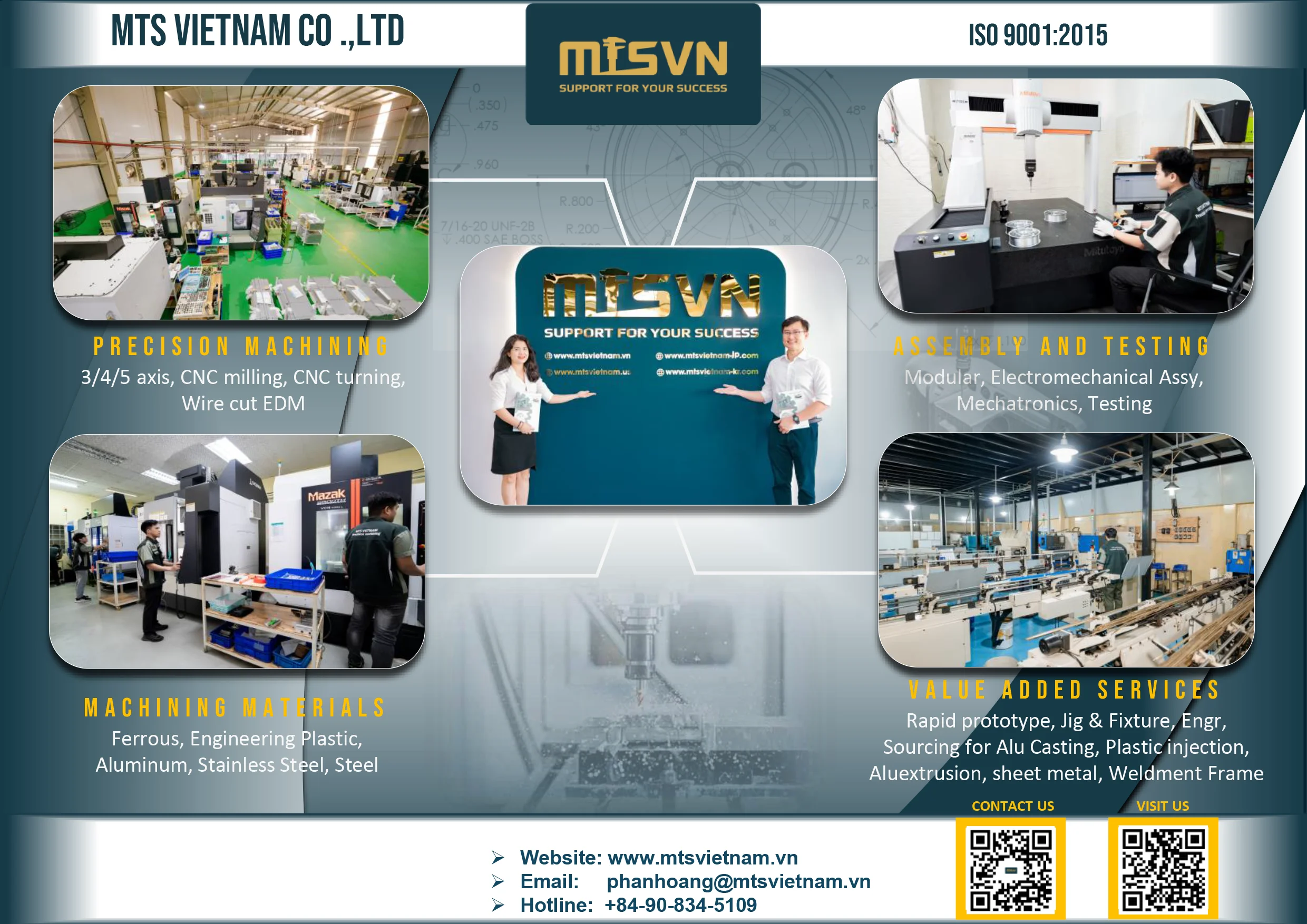
In modern manufacturing, the push towards greater efficiency and customization has spotlighted the critical balance between the flexibility of assembly systems and the need for precision. This equilibrium is particularly crucial in industries such as electronics, automotive, and aerospace, where the assembly of complex products must meet strict quality standards while also adapting to varying product designs and market demands. The integration of modular design and reconfigurable systems has emerged as a key strategy in achieving this balance.
Modular Design in Assembly Systems
Modular design principles involve creating assembly systems composed of interchangeable units or modules. Each module is designed to perform a specific function or process and can be easily replaced or upgraded without affecting the overall system. This approach offers several benefits:
Adaptability: Modular systems can be quickly reconfigured to accommodate different product types or changes in the production process, allowing manufacturers to respond more effectively to market changes.
Scalability: Adding or removing modules can scale the assembly system up or down, providing the flexibility to meet fluctuating production demands.
Maintenance and Upgrades: Individual modules can be serviced or upgraded without disrupting the entire assembly line, minimizing downtime and maintaining consistent production quality.
Reconfigurable Assembly Systems
Reconfigurable assembly systems take flexibility a step further by allowing the physical configuration of the assembly line to be altered for different products or processes. This can involve adjustable machinery, programmable robots, and software-driven control systems that can be reprogrammed as needed. Reconfigurable systems offer:
Versatility: They support the efficient production of a wide range of products on a single assembly line, reducing the need for specialized equipment.
Cost Efficiency: By leveraging the same assembly system for multiple products, manufacturers can reduce capital investment and operational costs.
Rapid Response: Reconfigurable systems enable quicker adaptation to new product launches or changes in product design, enhancing competitiveness.
Balancing Flexibility and Precision
Achieving a balance between flexibility and precision in assembly systems poses several challenges:
Maintaining Quality: Frequent changes or reconfigurations in the assembly process must not compromise the precision and quality of the final product. Advanced sensing technologies, real-time monitoring, and quality control measures are essential to ensure that products meet stringent specifications.
Integration of Advanced Technologies: Incorporating robotics, AI, and IoT technologies can enhance both flexibility and precision. Robots offer the adaptability to perform different tasks, while AI and IoT provide the data analytics and connectivity to optimize assembly processes and maintain quality standards.
Skilled Workforce: Operators and technicians must be skilled in managing and adapting these advanced systems. Continuous training and development are crucial to ensure that the workforce can effectively balance the demands of flexibility and precision.
Future Directions
The future of assembly systems lies in the continued development of modular and reconfigurable technologies, further enhanced by digitalization and smart manufacturing practices. Innovations in materials science, robotics, and computer algorithms will likely introduce new capabilities for assembly systems, enabling even greater flexibility without sacrificing precision. As manufacturers strive to meet the growing demand for customized, high-quality products, the role of modular and reconfigurable assembly systems will become increasingly vital.
In summary, the balance between flexibility and precision in assembly systems is key to modern manufacturing success. Modular design and reconfigurable systems offer a pathway to achieving this balance, enabling manufacturers to remain agile and competitive in a rapidly evolving market.
MTS Vietnam is a prominent company specializing in precision mechanical components fabrication. Established in 2017, it has quickly become a reputable name in the Vietnamese and Southeast Asian markets. The company's expertise lies in CNC milling and turning parts made from a variety of materials, including Aluminum, Steel, Stainless, POM, and other engineering plastics. MTS Vietnam is dedicated to supporting the success of its customers and strives to be a leading company in the field of precision mechanical processing both in Vietnam and internationally.
In addition to its fabrication services, MTS Vietnam offers assembly services for components and machines, as well as CNC program services. This comprehensive range of services is aimed at providing optimal solutions and benefits to its customers through the company's ecosystem and strengths. MTS Vietnam emphasizes the importance of investing in new technology and quality control equipment to ensure that it can deliver merchandise at competitive prices and within the required deadlines.
WORKSHOP: 248/10 ĐT743A Street, Binh Thung 1 Quarter, Dong Hoa Ward, Ho Chi Minh City, Vietnam
Tel/zalo/viber: 0908.345.109
Email: phanhoang@mtsvietnam.vn | info@mtsvietnam.vn
Website: www.mtsvietnam.vn (Global Market) | www.mtsvietnam-jp.com (日本)
For USA Sales, please contact MTS USA at:
Tel/zalo/viber: 978-777-1716
Email: sales@mts-usasales.com
Website: www.mtsvietnam.us (US Market)