Introduction
Anodizing is a widely used surface treatment technique, particularly for aluminum and its alloys, which enhances the material's properties by forming a protective oxide layer. This process not only improves the aesthetic appeal of the metal but also significantly increases its corrosion resistance, surface hardness, and overall durability. This article explores the anodizing process, its benefits, applications, and its critical role in various industries.
Understanding the Anodizing Process
Anodizing is an electrochemical process that converts the surface of a metal into a durable, corrosion-resistant oxide layer. The most commonly anodized metal is aluminum, but other metals such as titanium and magnesium can also be anodized. The process involves several key steps:
- Cleaning
- Objective: Remove any contaminants, oils, or impurities from the metal surface.
- Methods: Alkaline or acid cleaning solutions are typically used to ensure a clean surface ready for anodizing.
- Pre-treatment
- Objective: Enhance the surface quality and prepare it for anodizing.
- Methods: Mechanical processes like brushing or polishing, and chemical processes such as etching, are used to achieve a uniform surface.
- Anodizing
- Objective: Create the anodic oxide layer on the metal surface.
- Methods: The metal is submerged in an electrolytic solution, typically sulfuric acid, and an electric current is applied. The metal acts as the anode, and oxygen ions are released from the electrolyte to combine with the metal atoms, forming the oxide layer.
- Coloring (Optional)
- Objective: Add color to the anodized layer for aesthetic purposes.
- Methods: Organic or inorganic dyes can be used to infuse color into the porous oxide layer before sealing.
- Sealing
- Objective: Close the pores of the anodic oxide layer to enhance corrosion resistance.
- Methods: The anodized metal is immersed in hot water or steam, causing the oxide layer to hydrate and seal the pores.
Benefits of Anodizing
- Corrosion Resistance
The anodized layer provides excellent protection against corrosion, significantly extending the lifespan of the metal in harsh environments. - Surface Hardness
Anodizing increases the surface hardness of the metal, making it more resistant to scratches, wear, and abrasion. - Aesthetic Appeal
The anodized layer can be dyed in various colors, enhancing the visual appeal of the metal. The resulting finish is both attractive and durable. - Adhesion
The porous nature of the anodized layer improves the adhesion of paints, adhesives, and sealants, making it ideal for subsequent finishing processes. - Thermal Insulation
Anodized surfaces have better thermal insulation properties, which can be beneficial in certain applications. - Environmentally Friendly
The anodizing process is relatively environmentally friendly, producing minimal hazardous waste compared to other surface treatments.
Applications of Anodizing
- Aerospace Industry
- Applications: Anodized aluminum components are used in aircraft structures, panels, and interior fittings due to their lightweight and corrosion-resistant properties.
- Benefits: Enhances durability and reduces maintenance costs.
- Automotive Industry
- Applications: Used for exterior and interior trim, engine components, and wheels.
- Benefits: Provides a durable, attractive finish that withstands environmental exposure.
- Architectural and Building Materials
- Applications: Anodized aluminum is used for window frames, curtain walls, and architectural facades.
- Benefits: Offers long-lasting protection and aesthetic versatility.
- Electronics and Consumer Goods
- Applications: Anodized aluminum is commonly used for housings, enclosures, and decorative parts in consumer electronics and appliances.
- Benefits: Enhances appearance and provides a robust, scratch-resistant surface.
- Marine Industry
- Applications: Anodized components are used in marine environments where exposure to saltwater and harsh conditions is common.
- Benefits: Excellent corrosion resistance extends the life of marine equipment and structures.
- Medical Devices
- Applications: Anodized aluminum is used for surgical instruments and medical equipment housings.
- Benefits: Provides a non-toxic, corrosion-resistant surface that can be easily sterilized.
Conclusion
Anodizing is a key surface treatment technique that offers numerous benefits, including enhanced corrosion resistance, increased surface hardness, and improved aesthetic appeal. Its versatility and effectiveness make it a preferred choice in various industries, from aerospace and automotive to electronics and medical devices. As technology advances, the anodizing process will continue to evolve, further enhancing its capabilities and expanding its applications in the manufacturing landscape.
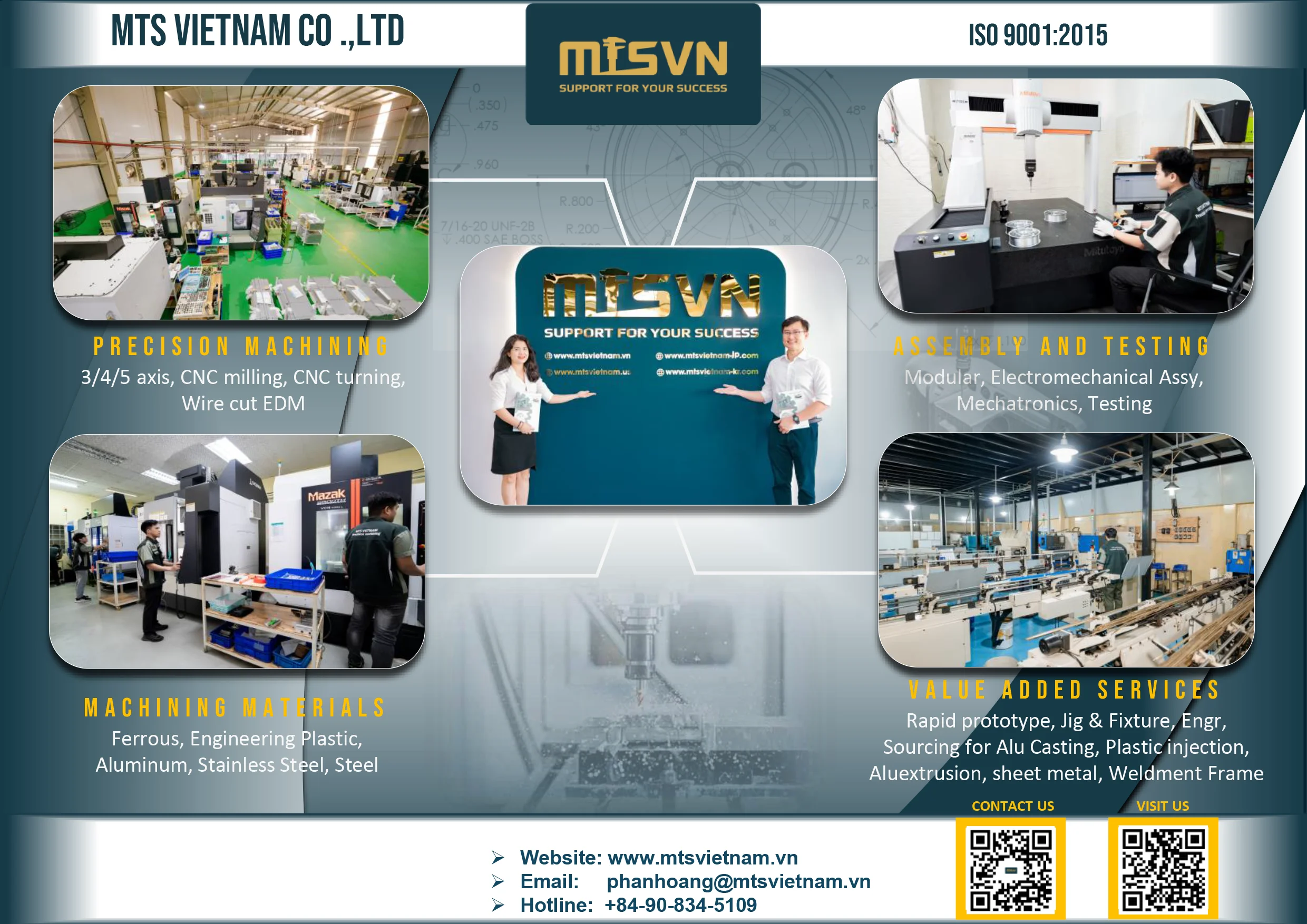
MTS Vietnam is a prominent company specializing in precision mechanical components fabrication. Established in 2017, it has quickly become a reputable name in the Vietnamese and Southeast Asian markets. The company's expertise lies in CNC milling and turning parts made from a variety of materials, including Aluminum, Steel, Stainless, POM, and other engineering plastics. MTS Vietnam is dedicated to supporting the success of its customers and strives to be a leading company in the field of precision mechanical processing both in Vietnam and internationally.
In addition to its fabrication services, MTS Vietnam offers assembly services for components and machines, as well as CNC program services. This comprehensive range of services is aimed at providing optimal solutions and benefits to its customers through the company's ecosystem and strengths. MTS Vietnam emphasizes the importance of investing in new technology and quality control equipment to ensure that it can deliver merchandise at competitive prices and within the required deadlines.
WORKSHOP: 248/10 ĐT743A Street, Binh Thung 1 Quarter, Dong Hoa Ward, Ho Chi Minh City, Vietnam
Tel/zalo/viber: 0908.345.109
Email: phanhoang@mtsvietnam.vn | info@mtsvietnam.vn
Website: www.mtsvietnam.vn (Global Market) | www.mtsvietnam-jp.com (日本)
For USA Sales, please contact MTS USA at:
Tel/zalo/viber: 978-777-1716
Email: sales@mts-usasales.com
Website: www.mtsvietnam.us (US Market)