Introduction
In the manufacturing of sheet-metal parts, cutting is one of the most fundamental and essential processes. It involves dividing sheet metal into desired shapes and sizes, which are then further processed or assembled into finished products. This article explores the various cutting techniques used in the industry, their applications, and the importance of cutting in the manufacturing process.
Understanding the Cutting Process
Cutting in sheet-metal manufacturing is the process of removing material to create a specific shape or form. This process can be performed using a variety of techniques, each offering distinct advantages and suited for different applications. The choice of cutting method depends on factors such as material type, thickness, precision requirements, and production volume.
Key Cutting Techniques
- Laser Cutting:
- Process: Laser cutting uses a high-powered laser beam to melt, burn, or vaporize the material, creating precise cuts.
- Advantages: High precision, ability to cut complex shapes, minimal material wastage, and smooth edges.
- Applications: Suitable for cutting thin to medium-thick metals, commonly used in the automotive, aerospace, and electronics industries.
- Plasma Cutting:
- Process: Plasma cutting employs a high-velocity jet of ionized gas (plasma) to melt and expel material from the cut.
- Advantages: High cutting speed, ability to cut thick materials, and lower cost compared to laser cutting.
- Applications: Ideal for cutting thicker metals such as steel and aluminum, widely used in construction, automotive, and shipbuilding.
- Waterjet Cutting:
- Process: Waterjet cutting uses a high-pressure stream of water, often mixed with an abrasive substance, to cut through materials.
- Advantages: No heat-affected zones, ability to cut virtually any material, high precision, and environmental friendliness.
- Applications: Suitable for cutting metals, composites, stone, and ceramics, used in various industries including aerospace, automotive, and architecture.
- Mechanical Cutting:
- Methods: Includes shearing, punching, and sawing.
- Shearing: Uses a blade to make straight cuts, commonly used for cutting large sheets into smaller sections.
- Punching: Involves a punch and die to create holes or shapes by applying high pressure.
- Sawing: Uses a blade with teeth to cut through metal, suitable for straight and curved cuts.
- Advantages: Cost-effective for high-volume production, suitable for various thicknesses and materials.
- Applications: Commonly used in manufacturing, construction, and metal fabrication industries.
Importance of Cutting in Manufacturing
- Precision and Accuracy: Cutting techniques, especially laser and waterjet cutting, offer high precision and accuracy, ensuring that parts meet exact specifications. This is critical for applications where tight tolerances are required.
- Material Efficiency: Advanced cutting methods minimize material waste, leading to cost savings and more sustainable manufacturing practices. Efficient use of materials is essential in industries where raw material costs are significant.
- Versatility: Different cutting techniques can handle a wide range of materials and thicknesses, providing flexibility in manufacturing. This versatility allows manufacturers to produce a diverse array of products and components.
- Production Speed: High-speed cutting methods, such as plasma cutting, enhance production efficiency by reducing cutting times. Faster production rates are crucial for meeting high demand and tight deadlines.
- Quality of Finished Parts: Proper cutting techniques result in smooth edges and clean cuts, reducing the need for additional finishing processes. High-quality cuts contribute to the overall quality and performance of the final product.
- Cost-Effectiveness: Efficient cutting processes lower production costs by reducing material wastage, minimizing labor, and enhancing production speed. Cost-effective manufacturing is vital for maintaining competitive pricing and profitability.
Applications of Cutting in Various Industries
- Automotive Industry: Cutting is used to manufacture body panels, chassis components, and engine parts, ensuring precision and strength in vehicles.
- Aerospace Industry: High-precision cutting techniques create critical components for aircraft and spacecraft, where accuracy and reliability are paramount.
- Construction Industry: Cutting processes produce structural elements, roofing, and cladding materials, contributing to the durability and functionality of buildings.
- Electronics Industry: Precise cutting is essential for creating enclosures, brackets, and components for electronic devices, ensuring proper fit and function.
- Medical Devices: Cutting techniques produce surgical instruments, implants, and equipment housings, where precision and quality are critical for safety and performance.
Conclusion
Cutting is a fundamental manufacturing process for sheet-metal parts, providing the precision, efficiency, and versatility necessary for producing high-quality components. By employing various cutting techniques, manufacturers can meet the diverse needs of multiple industries, ensuring that sheet-metal parts continue to play a crucial role in mechanical engineering and production. As technology advances, cutting methods will continue to evolve, further enhancing their capabilities and importance in the manufacturing landscape.
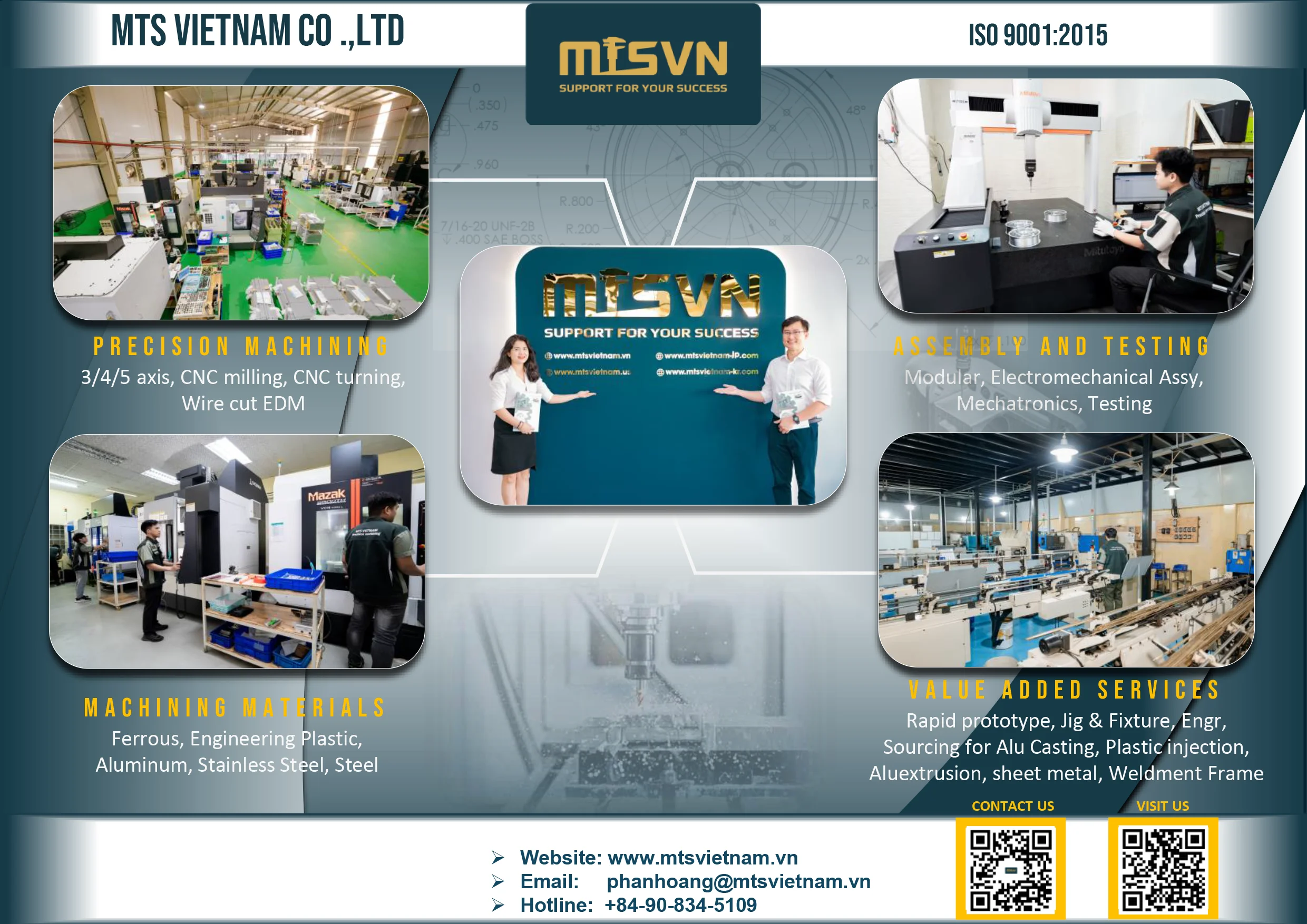
MTS Vietnam is a prominent company specializing in precision mechanical components fabrication. Established in 2017, it has quickly become a reputable name in the Vietnamese and Southeast Asian markets. The company's expertise lies in CNC milling and turning parts made from a variety of materials, including Aluminum, Steel, Stainless, POM, and other engineering plastics. MTS Vietnam is dedicated to supporting the success of its customers and strives to be a leading company in the field of precision mechanical processing both in Vietnam and internationally.
In addition to its fabrication services, MTS Vietnam offers assembly services for components and machines, as well as CNC program services. This comprehensive range of services is aimed at providing optimal solutions and benefits to its customers through the company's ecosystem and strengths. MTS Vietnam emphasizes the importance of investing in new technology and quality control equipment to ensure that it can deliver merchandise at competitive prices and within the required deadlines.
WORKSHOP: 248/10 ĐT743A Street, Binh Thung 1 Quarter, Dong Hoa Ward, Ho Chi Minh City, Vietnam
Tel/zalo/viber: 0908.345.109
Email: phanhoang@mtsvietnam.vn | info@mtsvietnam.vn
Website: www.mtsvietnam.vn (Global Market) | www.mtsvietnam-jp.com (日本)
For USA Sales, please contact MTS USA at:
Tel/zalo/viber: 978-777-1716
Email: sales@mts-usasales.com
Website: www.mtsvietnam.us (US Market)